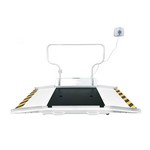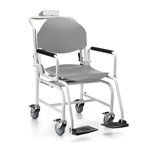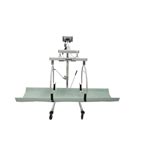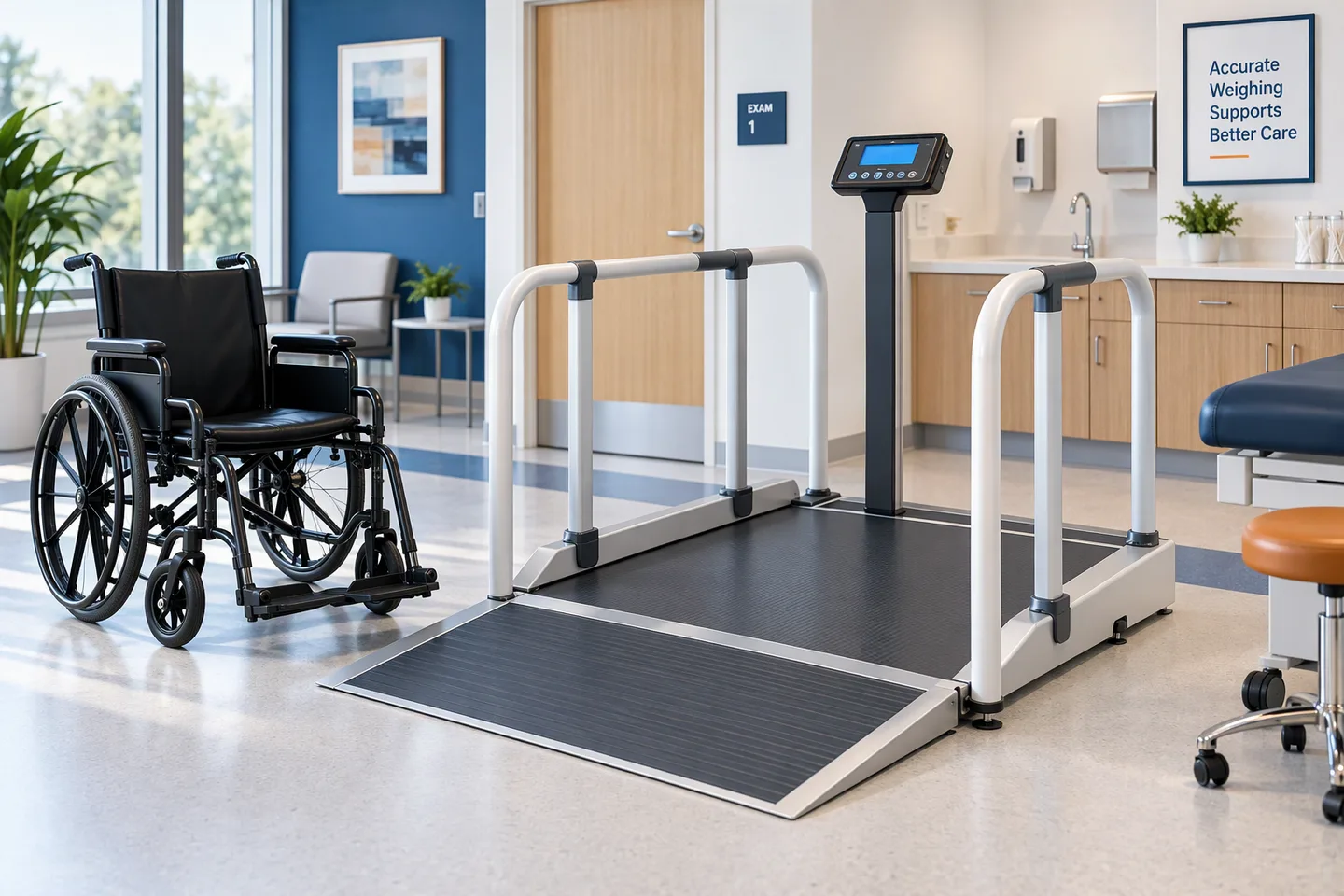
Accessible weighing is more than a product feature. For healthcare organizations, it affects whether patients with mobility disabilities can be weighed safely, accurately and with dignity. Federal requirements for accessible medical diagnostic equipment include weight scales, and covered healthcare providers should evaluate both the equipment they have and the way weighing is performed in actual patient care.
The key point: a wheelchair scale is not necessarily an accessible scale. Equipment design, configuration, placement and clinical workflow all matter.
Educational information only. Accessibility obligations vary by organization and circumstance. Facilities should evaluate applicable requirements with their compliance and legal advisers and verify equipment specifications with the manufacturer.
Why Accessible Medical Weighing Matters
Weight is used throughout healthcare for assessment, treatment, medication, nutrition and ongoing monitoring. When a patient cannot safely use a conventional standing scale, lack of appropriate weighing equipment can create an avoidable barrier to care.
HHS requirements under Section 504 apply to public and private entities that receive funding from HHS, including healthcare providers participating in Medicare, Medicaid or other HHS funding programs. HHS identifies weight scales as medical diagnostic equipment covered by the accessibility requirements.
As of July 8, 2026, a covered recipient that uses weight scales must have at least one accessible weight scale in place. HHS also describes broader scoping requirements for accessible medical diagnostic equipment: generally 10% or at least one of each type for most covered recipients, and 20% for recipients specializing in conditions that affect mobility, such as rehabilitation centers and physical therapy providers.
A Wheelchair Scale Is Not Necessarily an Accessible Scale
The ability to roll a wheelchair onto a platform does not, by itself, establish that a scale satisfies every applicable accessibility requirement. Accessible design can involve the platform, ramping, edge protection, positioning, usability and the way the equipment functions in the facility.
Start with the exact manufacturer and model number. Review current manufacturer specifications and avoid assuming that similar-looking scales have identical features or documentation.
What Should a Healthcare Facility Review?
1. Inventory the equipment
Identify each scale by manufacturer and exact model number. Include standing, wheelchair, chair, bed or stretcher scales and other weighing equipment used in patient care.
2. Verify manufacturer documentation
Review current specifications, manuals and accessibility-related documentation for the exact model and configuration.
3. Consider the patient population
Consider patients who use wheelchairs, have difficulty standing, require seated weighing, need additional support or cannot transfer easily.
4. Evaluate the real workflow
A scale can be available but difficult to use because of its location, surrounding clearance, storage, staff access or the way patients move through the facility.
5. Confirm staff readiness
Accessible equipment must be available to qualified staff who can operate it and assist patients appropriately when needed.
Identify → Verify → Compare → Source
- Identify the equipment currently in use and the patients who need access.
- Verify exact model documentation and applicable facility requirements.
- Compare scale types, capacities, platform designs, access features and workflows.
- Source equipment that fits the facility’s clinical and operational needs.
Choosing an Accessible Medical Scale
- Intended weighing method: standing, seated, wheelchair, bed or stretcher.
- Capacity appropriate for the patient population, including bariatric needs where relevant.
- Platform dimensions, ramp configuration, edge protection and room access.
- Display placement and staff workflow.
- Portability, storage and availability where patients need the scale.
- Current manufacturer documentation and product support.
Facility Review Checklist
- What scale models are currently in use?
- Can patients who cannot use a conventional standing scale be weighed appropriately?
- What patient positions and mobility needs must the facility accommodate?
- Have exact manufacturer specifications been reviewed?
- Does the proposed scale fit the room and clinical workflow?
- Are staff trained to operate the equipment and assist patients?
- Does the facility need to add, replace, retrofit or redistribute equipment?
- Has the facility reviewed requirements applicable to the organization?
Frequently Asked Questions
Does every healthcare facility need an accessible weight scale?
HHS states that recipients covered by its Section 504 rule that use weight scales must have at least one accessible weight scale in place as of July 8, 2026. Organizations should determine whether that rule and other applicable requirements apply to their facilities.
Is every wheelchair scale considered accessible?
No assumption should be made based only on the label “wheelchair scale.” Verify the exact model and configuration against manufacturer documentation and applicable standards.
Do existing scales automatically need to be replaced?
Not necessarily. Facilities should review their equipment mix, applicable requirements and patient workflow before deciding whether to add, replace, retrofit or redistribute equipment.
Are rehabilitation and physical therapy facilities treated differently?
HHS specifies a 20% accessible-MDE scoping threshold for covered recipients specializing in conditions affecting mobility, including rehabilitation centers and physical therapy providers.
Does staff training matter?
Yes. Staff must be able to operate accessible equipment and assist patients with transfers and positioning when needed.
Need Help?
Wholesale Point offers professional medical weighing equipment from established manufacturers. Our team can help compare available products and manufacturer specifications for purchasing needs.
Sources & Editorial Note
Primary sources: U.S. Department of Health and Human Services, New Requirements for Accessible Medical Diagnostic Equipment; U.S. Access Board and 36 CFR Part 1195, Standards for Accessible Medical Diagnostic Equipment. Adapted from the Health Mobius accessible-medical-scales whitepaper and executive brief. This article is educational and is not legal advice.